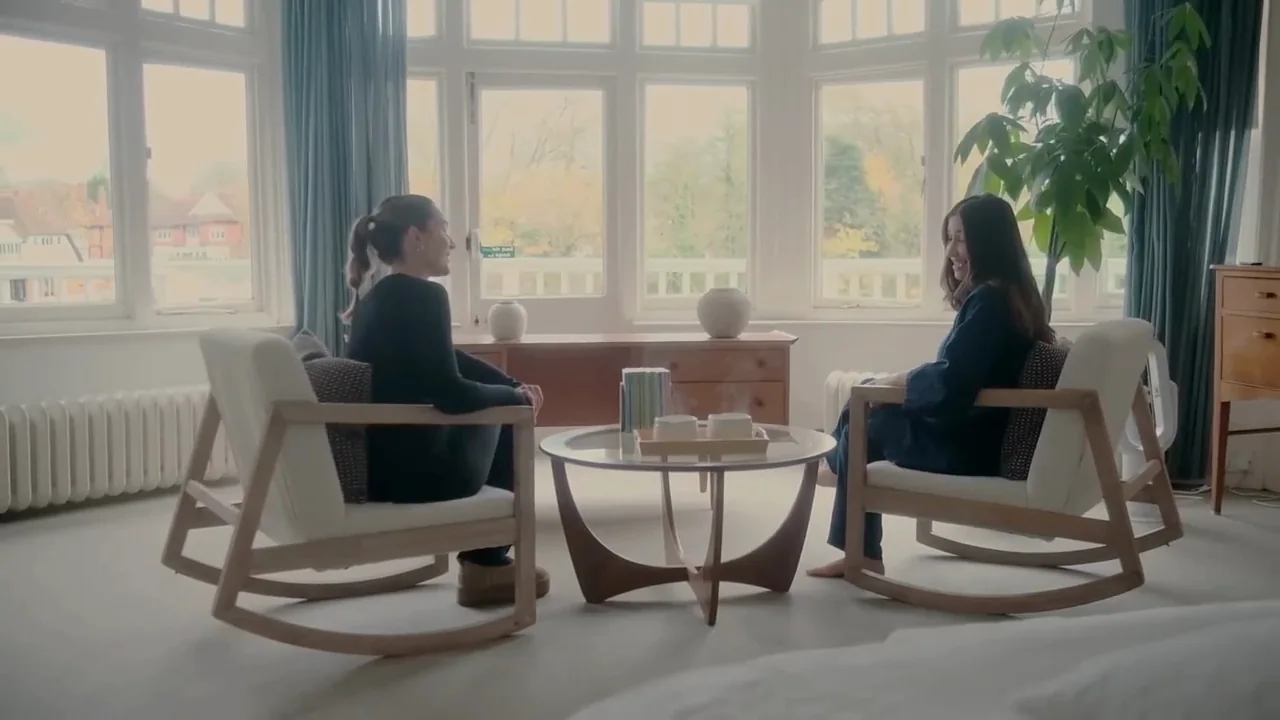

At the house · five minutes
Cold water, warm room
The Thames at dawn and a heated room a few steps away make an old, simple pairing that people keep coming back to.
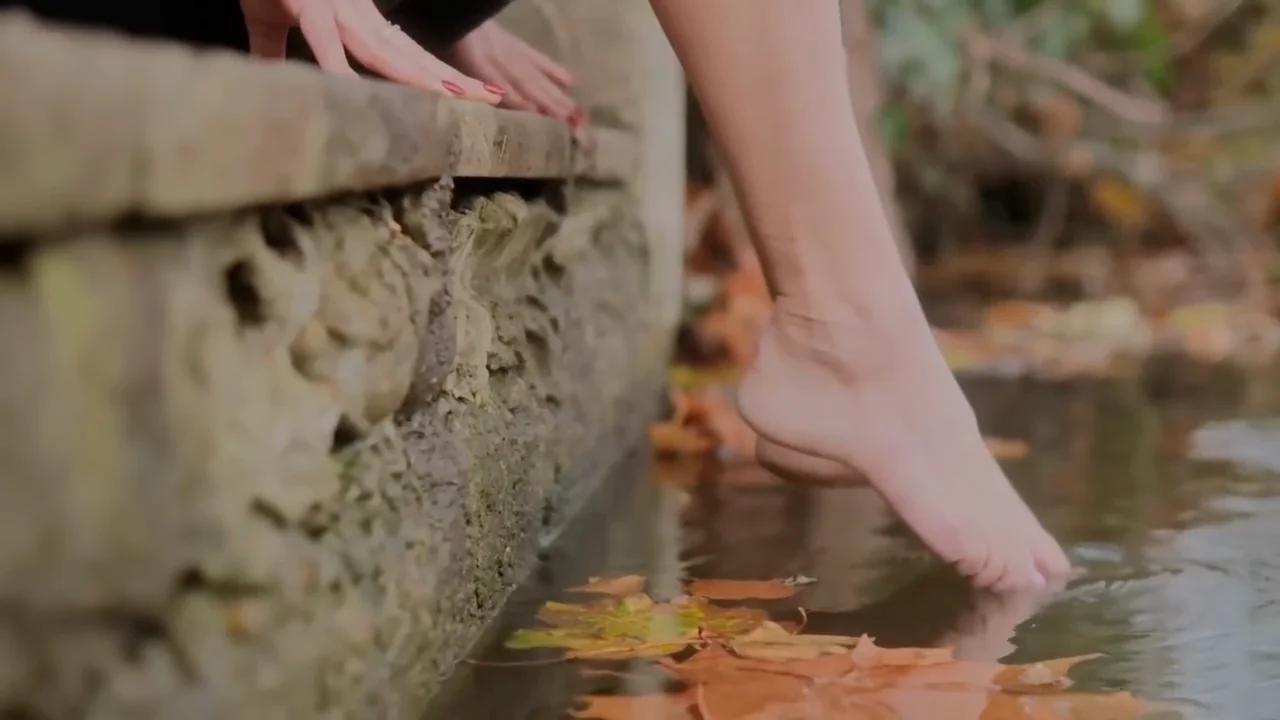
Cold water and a warm room are not a new idea. People have been moving between the two, in one form or another, for about as long as there have been rivers and fires close enough together to make the journey between them worthwhile. What has changed recently is how much attention the pairing gets, and how many claims get made about it. At the Club the offer is simpler than most of that noise suggests: a stretch of the Thames a few steps from the house, and a sauna to come back to afterwards.
Two temperatures, back to back
The basic sequence does not need much explanation. Guests who want to try it walk down to the river, go in as far as feels sensible for as long as feels sensible, and then move to the warm room to recover. Some people do this once, briefly, and never again. Others build it into every morning of a stay. Both are entirely normal responses, and neither is required to enjoy the rest of what the Club offers.
What matters more than the exact routine is the contrast itself: a sharp, immediate cold followed by a slow, enveloping warmth, rather than either extreme sitting alone. It is the movement between the two, more than either temperature by itself, that people usually describe as the memorable part.
What the river gives that a plunge pool does not
A heated plunge pool can be booked into most spas within the M25 without much trouble. A moving, genuinely cold river a short walk from your room is harder to come by, and it changes the character of the experience. The water here is not held at a controlled, repeatable temperature; it shifts with the season, the weather and the time of day, which means no two mornings feel quite the same. There is also, simply, more going on around you: the current, the light on the surface, a swan holding its ground nearby, none of which a heated tank can offer.
For guests who would rather not go in, the same stretch of river works perfectly well as something to look at from the bank with a coffee, and the sauna and cold-plunge sessions are available to book on their own without needing to combine them with anything more adventurous outdoors. There is no obligation attached to either choice. Some of the calmest mornings at the Club involve nobody going anywhere near the water at all, just a chair on the deck and the sound of it passing by.
The warm room afterwards
The sauna exists mainly as the second half of this pairing rather than as its own separate destination, though plenty of guests use it that way too, particularly through the colder months when the idea of the river alone holds less appeal. It is a slow, low-lit room built for sitting rather than performing, and it asks nothing more of anyone in it than fifteen or twenty unhurried minutes with a book, a conversation, or nothing at all.
The house is direct about the practical side of this: medical advice is worth seeking before using the sauna or taking a cold plunge if you have any condition that makes either inadvisable, and staff are happy to talk through what is and is not sensible for a particular stay. None of this is presented as a performance sport. Nobody is keeping time, and nobody is comparing how long anyone else managed to stay in.
The room itself borrows more from a quiet sitting room than from a conventional spa: low benches, low light, the kind of hush that makes conversation drop to a murmur without anyone deciding it should. Guests tend to leave it more slowly than they arrived, which is rather the intended effect.
What people report, and what the evidence actually says
It would be easy to promise more than the research currently supports, and this is not the place to do that. What tends to happen, according to guests and according to the broader interest in cold-water practices generally, is a subjective sense of alertness and calm arriving together shortly after getting out, a combination that sounds contradictory until you have felt it. The scientific picture behind that feeling is genuinely still developing: some studies point to short-term changes in mood and stress hormones after cold exposure, while the longer-term picture, and the question of how much any of it depends on the person, is far less settled. Nobody here is claiming to treat anything. It is one thing among several the house offers, offered because a great many people find it worth trying, not because it is guaranteed to do any particular thing.
If you want the fuller, more careful version of that evidence rather than a house summary of it, the Observatory's notes on recovery go through the studies properly, with the caveats intact.
Trying it for yourself
The easiest way to find out whether any of this suits you is still to try it once, in the least dramatic way possible: a short dip, a longer sit in the warm room afterwards, and no particular expectation either way. A couple of nights built around the full rhythm of a weekend here gives you more than one morning to test it, which tends to be more useful than a single, self-conscious attempt.
Stay the night
Everything above reads differently from a room a few steps from the water. Come for one night or a long weekend and let the river set the pace.
Book a stayFrom the Observatory
The River Arts Observatory turns questions like this into ongoing research, with the women who take part in it. Read its insights.