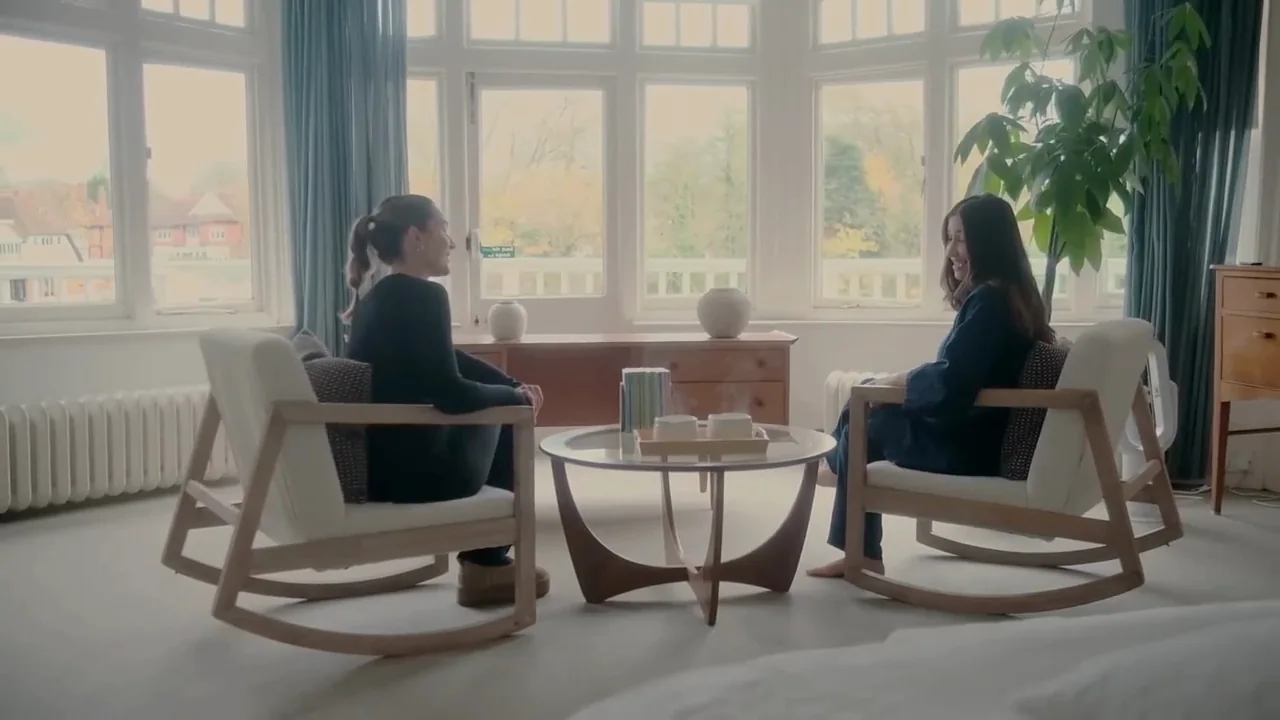

On the river · five minutes
A day on the river from London, by the Elizabeth line
London to a riverbank in Berkshire, without a car, in less time than most people spend deciding where to go.
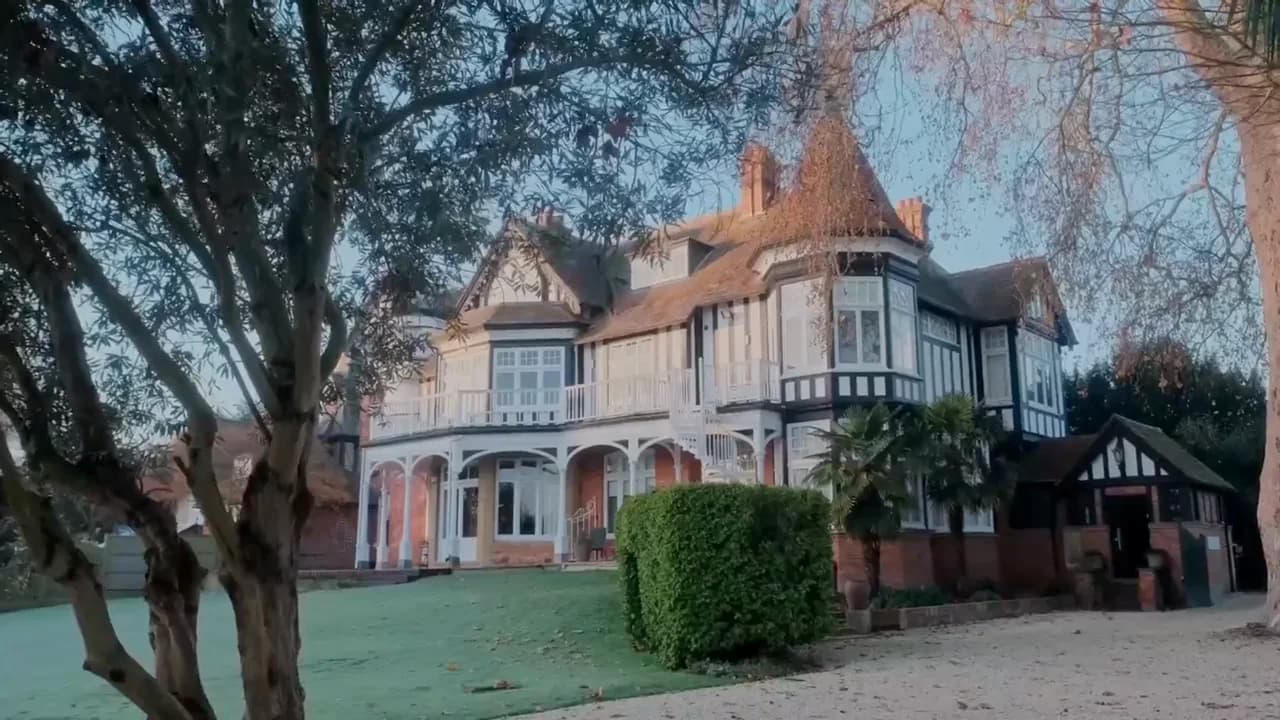
The club's riverside house in daylight, seen across the lawn
There is a particular kind of London day that starts with good intentions and ends nowhere, because everywhere worth going for the day involves a car, a motorway, or a train with a change halfway through that eats the morning. Maidenhead solves that problem in the simplest possible way: it sits on the Elizabeth line, direct from Paddington, under an hour door to platform, and at the other end of that short journey is a stretch of the Thames that feels considerably further from the city than it actually is.
The journey does the work for you
The appeal of the Elizabeth line for a day like this is not just the speed of it, though that helps. It is that the whole thing requires no planning beyond turning up. No booking a car, no motorway traffic to time around, no interchange to worry about missing. You get on at Paddington, you get off at Maidenhead, and the river is a short walk from the station in a direction that is hard to get wrong once you can hear the water.
It also means the day can start late and still feel like a proper outing. There is no early start required to make a full day of it, and no anxious eye on the clock for the last connection home. The trains run right through the evening, so the only real decision is how long you want to stay by the water before turning back towards the platform.
This matters more than it might sound, because so much of what makes a day trip feel worthwhile is not the destination itself but how little of the day gets swallowed by getting there. A journey that requires a car means factoring in the M4 and wherever you plan to leave it. A journey that requires two trains and a change means building in the margin for the one that runs late. A single direct line from a central London station removes both of those calculations entirely, which frees up far more of the day than the journey time alone would suggest.
What the day can hold
Once you are off the train, the choices open up quickly. The riverbank itself, threaded with towpath in both directions, is worth simply walking along for an hour before deciding on anything more structured. From there, Boulter's Lock and Ray Mill Island sit a short way north, an easy stop for anyone who wants a lock, a weir and a patch of park without going far. Further on, Cliveden's wooded reach and the village of Cookham are within reach for anyone treating the day as a proper expedition rather than a gentle wander, and Bray sits in the other direction for those who would rather spend the afternoon somewhere known for its kitchens than its scenery.
None of this requires a plan drawn up in advance. Part of the pleasure of a day trip built around a river rather than an attraction is that the water gives you somewhere to walk regardless of what else is or is not open, and there is always another bench, another bridge, another stretch of bank if the first idea does not pan out.
Windsor and Marlow are both further reaches for a fuller day, each with its own direct or near-direct route from Maidenhead, and either makes a satisfying anchor for a trip that wants a castle or a bridge at the centre of it rather than a village. Even so, most first visits end up shaped less by any single destination than by the river itself: an hour here, a lock there, lunch wherever looks right when the time comes.
A day that does not have to end
The trouble with most day trips from London is the return leg: the point in the afternoon when the light is just getting good and you have to start thinking about trains. Maidenhead's closeness to the city is exactly what makes it easy to visit for a day, and exactly what makes it easy to overlook as somewhere worth staying rather than passing through.
A night at the Club changes the shape of the day considerably. Morning by the river before the trains from London have even started running, an unhurried breakfast, a full day to explore the villages and locks along the bank without watching the clock, and an evening that does not involve a platform at all. The Elizabeth line gets you here easily. It does not have to be the thing that decides when you leave.
Coming back with less urgency
There is a reasonable case for treating Maidenhead as a day trip the first time, simply to see whether the river suits you the way it suits a great many people who grew up nowhere near it. But once you have walked even a short stretch of towpath, most people find the day trip starts to feel like the wrong unit of time for a place that rewards slowness above almost everything else.
If that sounds familiar, the second visit is usually the one that turns into a night, or two, spent properly by the water rather than borrowed from a train timetable. There is no particular skill involved in making that shift, only the recognition that the thing you kept walking back to see is close enough to simply stay beside.
Stay the night
Everything above reads differently from a room a few steps from the water. Come for one night or a long weekend and let the river set the pace.
Book a stayFrom the Observatory
The River Arts Observatory turns questions like this into ongoing research, with the women who take part in it. Read its insights.