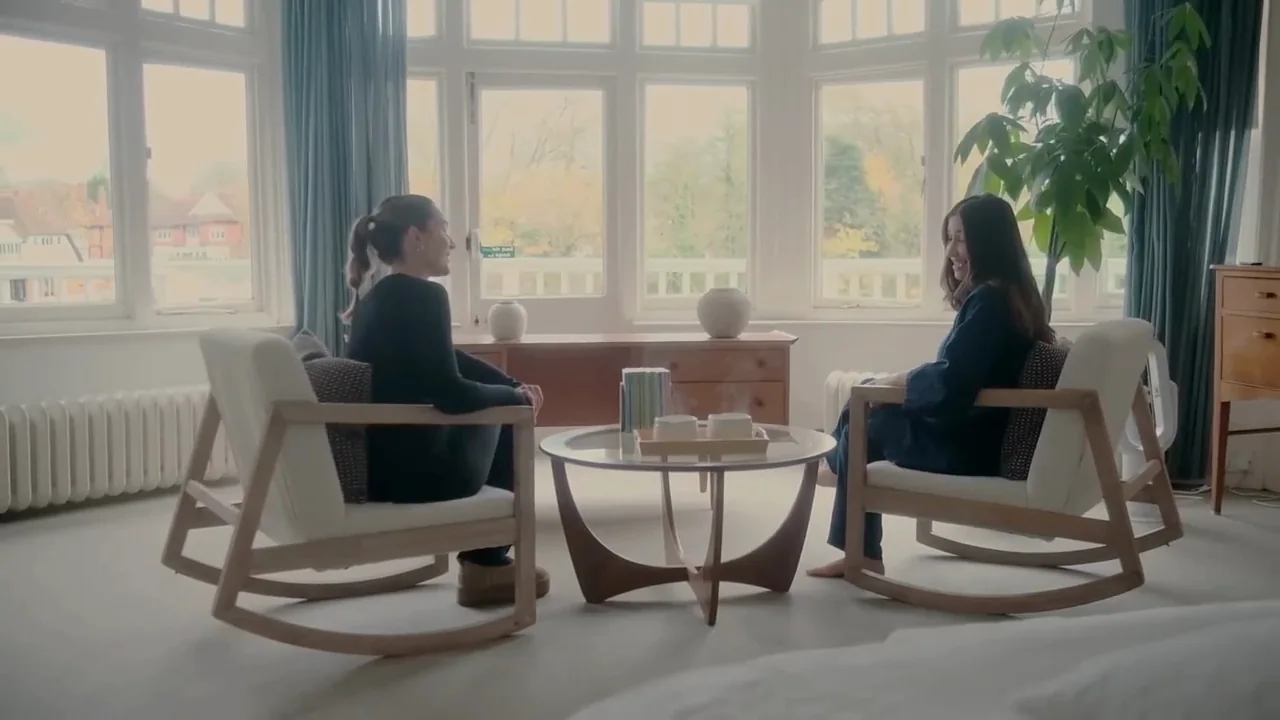

On the river · five minutes
Cliveden from the river
The view from the water explains Cliveden better than any approach by car ever could.
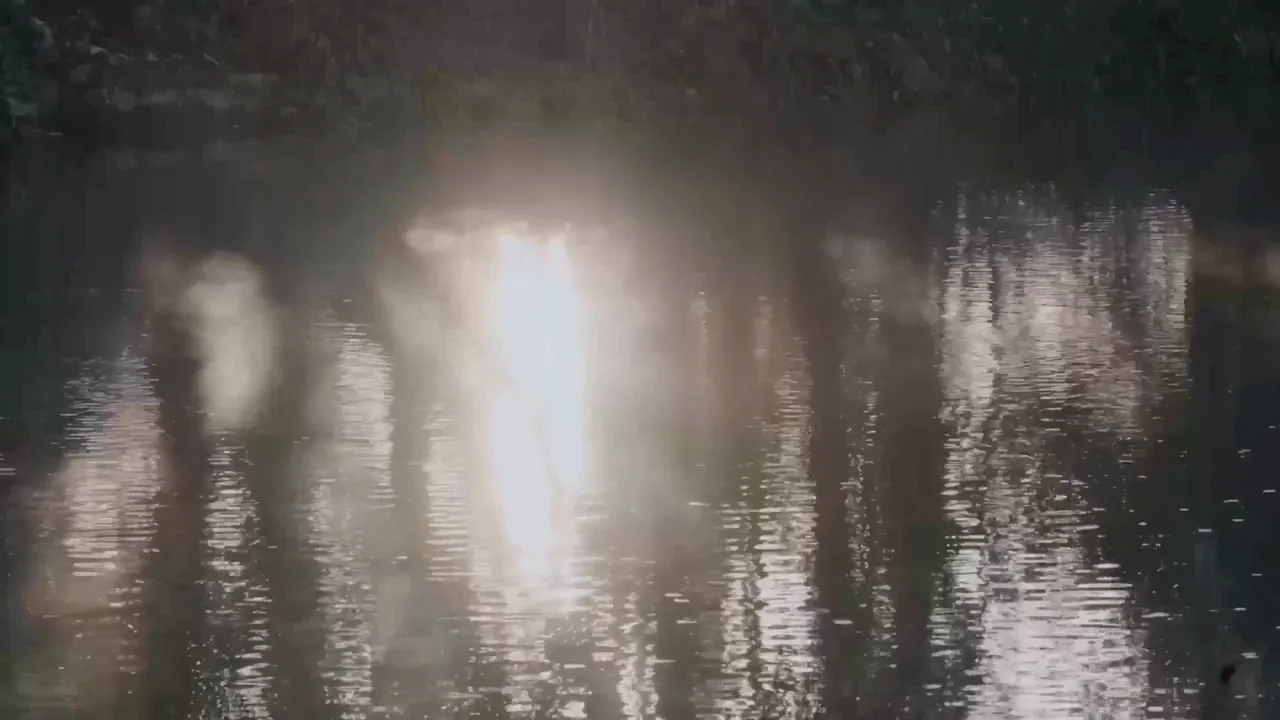
Sunlight breaking on the surface of the river
There are grander ways to arrive at Cliveden than by the river, up the long drive through the estate's own gates, past lawns cut to a standard most gardens can only aspire to. But the river approach tells you something the drive does not, which is why the place is there at all. Cliveden sits on a chalk bluff above the Thames because whoever built the first house on it, back in the 1660s, wanted the view down to the water as much as the water wanted the house looking down on it. Seeing it from below, from a boat or from the towpath on the opposite bank, puts you in the position of everyone who has ever looked up at Cliveden and understood the point immediately.
A reach with its own name
The stretch of river beneath the estate is known to boatmen, and on Ordnance Survey maps, as Cliveden Reach, and it is often named as one of the most beautiful lengths of the whole Thames. The house stands some forty metres above the water, and the wooded slope between the two is steep enough that the trees seem to be holding the building up rather than simply growing near it. In autumn the colour on that slope is dense and layered in a way that flat ground rarely manages, gold and copper stacked above the darker green of the yew and beech that never quite loses its leaves.
The reach is sheltered, too, tucked into a bend that takes the wind out of the water on all but the roughest days, which is part of why it has always been popular with rowers and, in an earlier century, with the house parties who came down from London to be seen taking the air on it. Paddleboarders and rowers still use this stretch today, and river cruises run from a boathouse on the estate for anyone who would rather be on the water than beside it. Even without a boat, a bench on the opposite bank gives you more or less the same view for the price of a walk.
The gardens, the woodland, and the house
The house at Cliveden has had a complicated history, having burned down twice and been rebuilt in a version that later became notorious as the setting for a very different kind of English scandal. Today it operates as a hotel, and you do not need to be a guest there to feel its presence: it can be seen through the trees from several points on the grounds, still commanding the same view it always did.
What is open to everyone is the National Trust's 376 acres of gardens and woodland, cared for over three centuries by a succession of owners who each left their own mark. There is a formal parterre, laid out on a grand scale in front of the house; an intimate rose garden that feels almost domestic by comparison; and a water garden in an oriental style that catches its best light in autumn. Beyond the formal areas, paths run out through beech woodland and open glades down towards the river, miles of walking in total, most of it shaded and all of it quiet.
Spring brings carpets of bulbs through the woodland before the canopy closes over; summer settles into the kind of deep green that makes the parterre look almost architectural against it. None of the seasons here feel like the wrong time to visit. The grounds simply change what they are showing you.
Walking up from the water
The approach on foot from the riverbank, up through the woods to the gardens, is the one that makes the most sense of the place, because it retraces more or less the same climb the house itself makes from the water. It is a proper climb in places, steps and slopes rather than a level towpath stroll, and it is worth pausing partway up simply to look back down at the reach and see the curve of the river the way the house has always seen it.
Cliveden rewards this kind of unhurried approach more than most estates near London, largely because it has never really had to compete for attention. It sits slightly apart from the towns around it, reachable by river, by lane, or on foot from Taplow, and that separateness is part of what the gardens still feel like today: a place built to look at the Thames rather than to be looked at from it, though from the water it is very much the latter as well.
Bringing the reach back with you
Cliveden is close enough to visit for an afternoon and be back on the water before the light changes, which is one of the better arguments for basing yourself on this stretch of the river rather than driving out from London for the day. A longer riverbank guide sets Cliveden alongside the other stops within reach, and the same towpath that leads there continues on towards Cookham for anyone who wants to keep walking rather than turn back.
Whichever way you come at it, by boat, by foot, or simply by looking up from the bank, Cliveden has a way of slowing an afternoon down without your quite noticing. Coming back to a room by the river afterwards, rather than a long drive home, tends to let that slowness carry on a little longer than it otherwise would.
Stay the night
Everything above reads differently from a room a few steps from the water. Come for one night or a long weekend and let the river set the pace.
Book a stayFrom the Observatory
The River Arts Observatory turns questions like this into ongoing research, with the women who take part in it. Read its insights.