
On the river · five minutes
Windsor the quiet way
The castle draws the crowds, but the park, the walk and the village across the bridge give Windsor room to be quiet as well as grand.
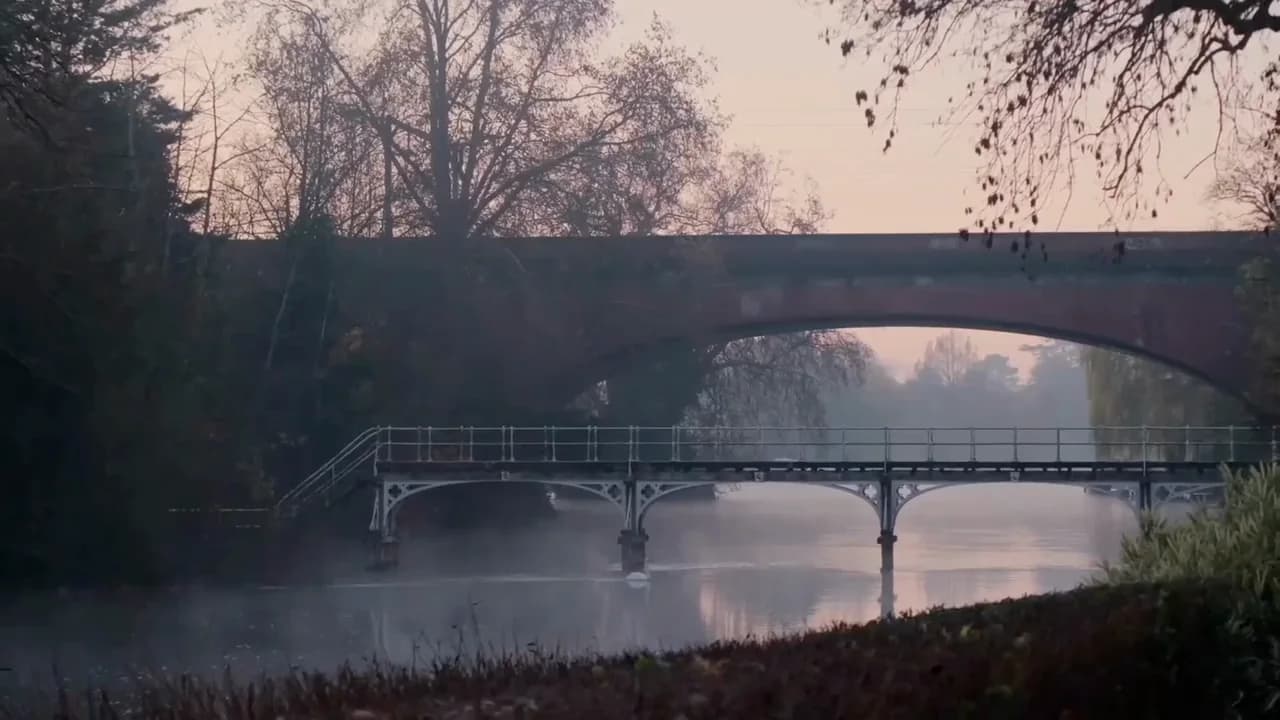
A stone bridge over the Thames in morning mist
Windsor Castle is the oldest and largest occupied castle in the world, which means Windsor the town spends most of its energy being a castle town: coach parties, souvenir shops, a queue that forms early outside the gates and rarely thins much before the afternoon. None of that is a reason to skip Windsor. It is a reason to come at it from a different angle, because the castle is only the loudest part of a place that has a great deal of quiet built into it as well, if you know where to look.
Start with the park, not the gates
Windsor Great Park stretches south from the castle for thousands of acres, and it absorbs visitors far more easily than the town does. The Long Walk is the obvious route in: an avenue laid out by Charles II in the 1680s, running arrow-straight for about two and a half miles from the castle gates to a hilltop statue of George III on horseback known as the Copper Horse. Walking it away from the castle rather than towards it has the useful effect of putting the crowds behind you within the first few minutes, leaving a long, tree-lined approach with red deer sometimes visible in the grass on either side and very little else to disturb the walk.
You do not need to complete the whole Long Walk to get the benefit of it. Even a short way in, the noise of the town falls away, and the castle behind you becomes a view rather than a queue. The park beyond the avenue opens out further still, with woodland, lakes and open grazing land that most visitors to Windsor never see, having spent their whole visit within a few streets of the castle walls. A morning here before the town has properly woken up is a different experience of Windsor almost entirely, closer to a country walk than a tourist itinerary.
The castle, once you are ready for it
Coming back towards the castle after time in the park changes how it lands. Rather than arriving cold into the busiest part of town, you approach it as the endpoint of a walk, which tends to make the crowds easier to tolerate and the building itself easier to actually look at. The castle has been a royal residence for close to a thousand years, added to and altered by nearly every monarch since, and that accumulated history is easier to take in with a clear head than with a train timetable pressing on you.
Eton, a bridge away
From the castle, a short pedestrian footbridge crosses the Thames into Eton, and the change of pace is immediate. Eton College, founded by Henry VI in 1440, sits at the end of the high street, and the walk up to it passes bookshops, tea rooms and the kind of unbothered quiet that Windsor itself rarely manages on a weekend. Cars cannot cross this bridge, only people, which keeps the whole street feeling more like a village than an extension of the castle town on the opposite bank.
It is worth crossing even without a particular reason to see the college itself. The view back across the river towards Windsor, with the castle rising above the rooftops, is one of the better ways to end a visit, and considerably calmer than joining the crowds heading back through the town centre. Eton's high street has kept a scale and a character that Windsor's own has largely traded for tourism, and the short walk between the two feels less like moving between two halves of the same town and more like stepping from one century's idea of a market town into another's.
Arriving from the river side
Coming to Windsor from Maidenhead, rather than driving in from further afield, has its own advantages. The route follows the Thames for much of the way, past Bray and the villages along the bank, which makes it easy to treat Windsor as part of a longer day on the water rather than a single destination requiring its own dedicated trip. It also means arriving without the parking difficulties that plague the town on a busy day, since the river route brings you in gently rather than funnelling you towards the same car parks as everyone else.
For anyone building a longer stay around this stretch of the Thames, Windsor sits naturally alongside Marlow and the upper reach as one of the fuller days out, best done on a day when you have no fixed time to be anywhere else. Together they make the case that this part of Berkshire holds more than one kind of grandeur: Windsor's is historical and ceremonial, Marlow's rather more domestic, and there is no need to choose only one over the course of a stay.
Ending the day without the queue
The trick to Windsor, more than any other town on this stretch of river, is simply not treating the castle as the whole visit. Park, walk, bridge, village: taken in that order, the day has room to breathe in a way the castle gates alone rarely allow. Coming back afterwards to a quieter stretch of the river, rather than trying to find a way out of Windsor's evening traffic, tends to be the part of the day people remember most fondly. A room waiting by the water at the Club does that quite naturally, with nothing left to do once you arrive but let the day settle.
Stay the night
Everything above reads differently from a room a few steps from the water. Come for one night or a long weekend and let the river set the pace.
Book a stayFrom the Observatory
The River Arts Observatory turns questions like this into ongoing research, with the women who take part in it. Read its insights.